
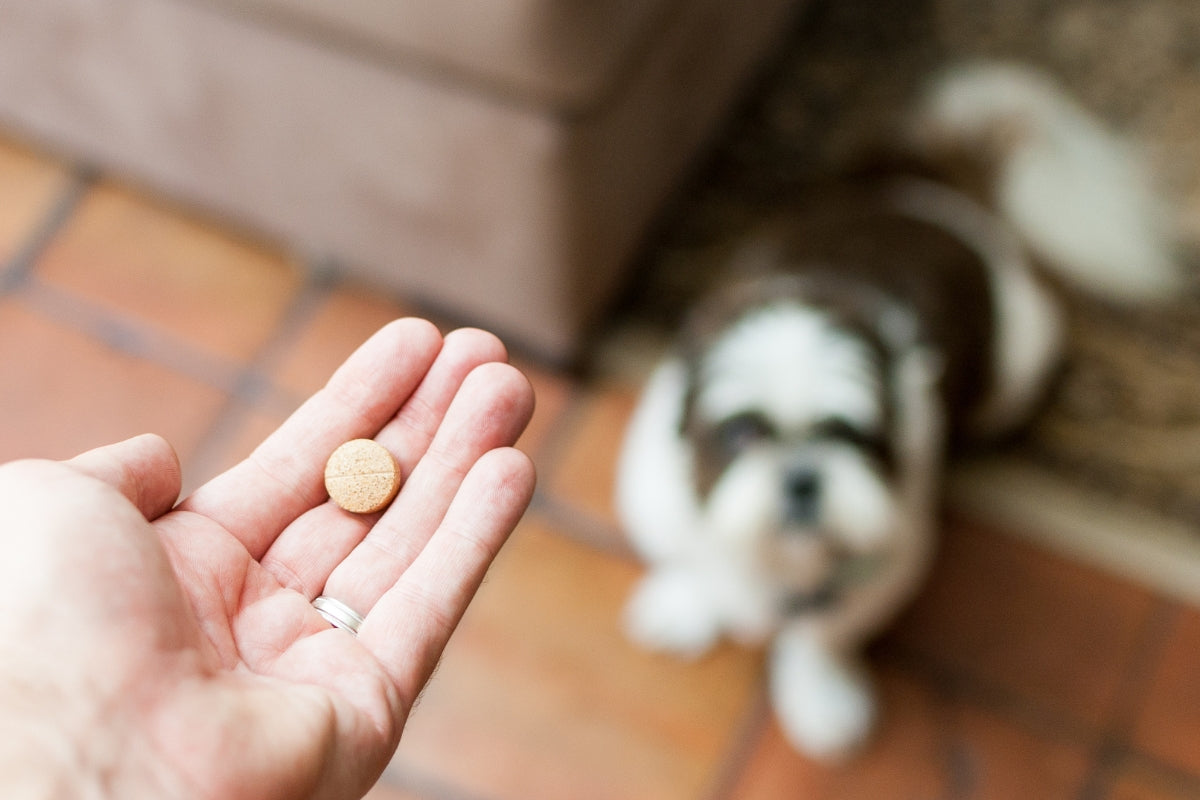
While some dog parents swear by antihistamines as a quick fix for itchy skin and seasonal allergies, others worry about side effects and the risks of giving human medication to dogs. So, can you give dogs antihistamines safely? Let’s take a closer look.
Can dogs have antihistamines?
The short answer is: sometimes but only with Vet guidance. Antihistamines can be given to dogs to help manage allergic reactions, including itching, hives, insect bites and mild seasonal allergies. However, not all antihistamines are suitable for dogs and the correct dosage is crucial. Giving the wrong type or amount can lead to serious health issues!
While some antihistamines are commonly prescribed by Vets, they are not risk-free.
The possible side effects of antihistamines on dogs
While many dogs tolerate antihistamines well, potential side effects include:
- Drowsiness
- Lethargy
- Dry mouth
- Vomiting or diarrhoea
- Changes in appetite
- Restlessness (in some cases)
If you notice unusual behaviour or worsening symptoms after giving an antihistamine, contact your Vet immediately.
Is medication always the best solution?
Not necessarily. If your dog’s itching is linked to a food allergy or sensitivity, antihistamines may do very little to address the root cause. In these cases, dietary management is often far more effective. Unlike antihistamines, which mainly manage symptoms, hydrolysed dog food aims to tackle one of the underlying causes of allergic skin disease.
Hydrolysed Dog Food
Hydrolysed Dog Food is specially formulated so that the protein molecules are broken down (hydrolysed) into very small pieces. Because these pieces are so tiny, your dog’s immune system is less likely to recognise them as allergens and trigger a reaction.
For dogs with suspected food allergies, Vets often recommend Impact+ Hydrolysed Dog Food for Skin & Coat Care, which is formulated to help:
- Reduce itching and persistent scratching
- Improve coat condition and natural shine
- Support a stronger, healthier skin barrier
- Minimise flare-ups linked to food sensitivities
IMPORTANT: If you’re trialling a hydrolysed diet, it must be fed exclusively, no treats, table scraps or flavoured medications, otherwise the trial won’t be accurate.
When should antihistamines be avoided?
Antihistamines may not be suitable for dogs with:
- Certain heart conditions
- Glaucoma
- Prostate enlargement
- Thyroid disorders
- High blood pressure
- They should also be used with caution in pregnant or elderly dogs.
If your dog has a severe allergic reaction, such as facial swelling, difficulty breathing, collapse or pale gums, this is a medical emergency. Antihistamines are NOT a substitute for urgent Vet care in cases of anaphylaxis.
Can you give dogs human antihistamines?
Some human antihistamines are used in veterinary medicine, but this does NOT mean you should give them without professional advice.
Certain products may contain added ingredients such as decongestants or sweeteners (like xylitol), which are toxic to dogs. Always check the label carefully and never assume a medication is safe simply because it’s available over the counter.
So, are antihistamines safe for dogs?
They can be, but only when used correctly and under Vet supervision. However, if your dog’s allergies are persistent or severe, your Vet may recommend a broader management plan. This could include medicated shampoos, prescription allergy treatments or a carefully controlled Hydrolysed Dog Food.
Always speak to your Vet before giving your dog any medication.


Leave a comment
This site is protected by hCaptcha and the hCaptcha Privacy Policy and Terms of Service apply.